.png)


About Relief and Rehabilitation
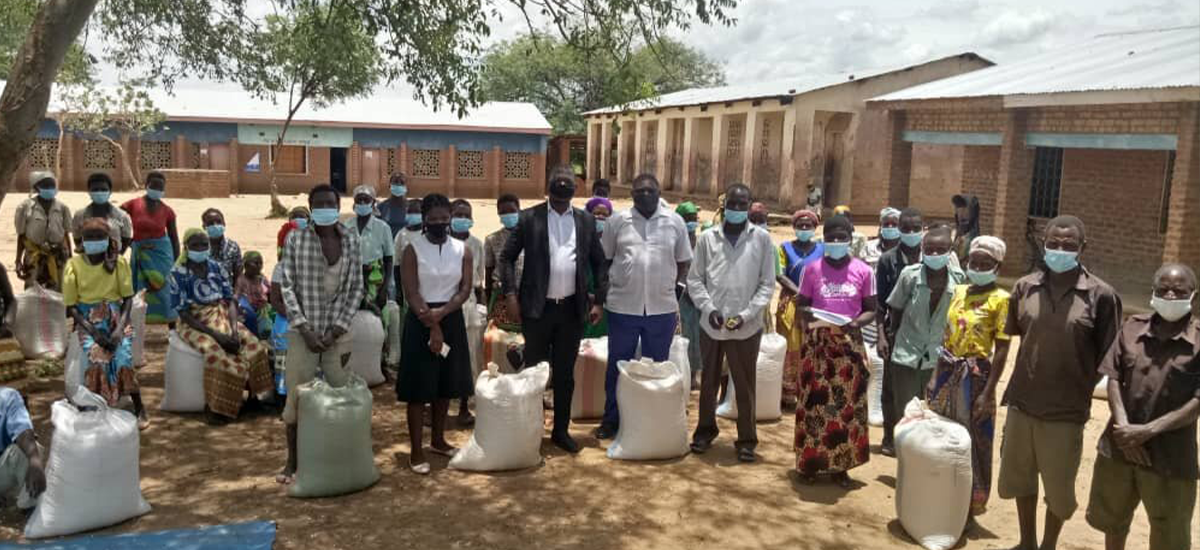
Relief and rehabilitation are essential components in managing the aftermath of disasters and emergencies. Relief focuses on immediate needs, providing life-saving assistance such as food, medical care, and temporary shelter to affected populations. Rehabilitation involves long-term efforts to restore normalcy, including rebuilding infrastructure, supporting economic recovery, and enhancing community resilience.
Reduced Infection and Mortality Rates: Through widespread vaccination and testing, the initiative helps control the spread of the virus, reducing the number of infections and deaths.
Immediate Life-Saving Assistance: Rapid deployment of resources such as food, water, medical care, and shelter helps to save lives, prevent disease outbreaks, and alleviate suffering during the immediate aftermath of a disaster.
Sustainable Development: Efforts often incorporate sustainable practices, such as environmentally friendly construction and climate adaptation measures, contributing to long-term resilience and environmental protection.